The Facts About Bed Bug Services Uncovered
Table of ContentsThe Of Bed Bug Services6 Easy Facts About Bed Bug Services ShownA Biased View of Bed Bug ServicesBed Bug Services Can Be Fun For EveryoneFascination About Bed Bug ServicesBed Bug Services for Beginners
Bed bugs are exceptionally little and highly invasive, which implies they can easily infest various locations inside your home undetected. It's only when the problem is severe that you start to notice the problem. Bed Bug Services. That is why and entails numerous actions, including: Dusting and spraying under baseboards, including the location where the walls meet the floorThis will add another layer of protection for your within room to guarantee no bed bugs move to various other spaces. Professionals will have you remove any type of soft items from the ravaged areas to throw in the clothes dryer on high heat for 30 mins to kill any type of staying bed bugs on them.
After the treatment, the professionals will. This follow-up browse through involves thoroughly evaluating and inspecting the treated areas again to make sure the invasion has been dealt with. If the parasite control professionals see that there are still a few bed insects left, they will reapply the treatment as needed.
A Biased View of Bed Bug Services
This service involves a complete assessment of your home and using treatments to ravaged areas in your indoor area. It likewise consists of a follow-up inspection after 2 weeks to ensure the problem is gone.
A thorough inspection for bed bugs starts by examining the property in detail. Experts know how to spot infestations that are not immediately visible. This process involves step-by-step procedures to ensure comprehensive results.
Initially, technicians look for places that commonly harbor bed bugs. These include mattresses, bed frames, box springs, furniture seams, headboards, and nightstands. Technicians often check behind wall art, trim, and outlets for hiding bugs.
Indicators on Bed Bug Services You Should Know

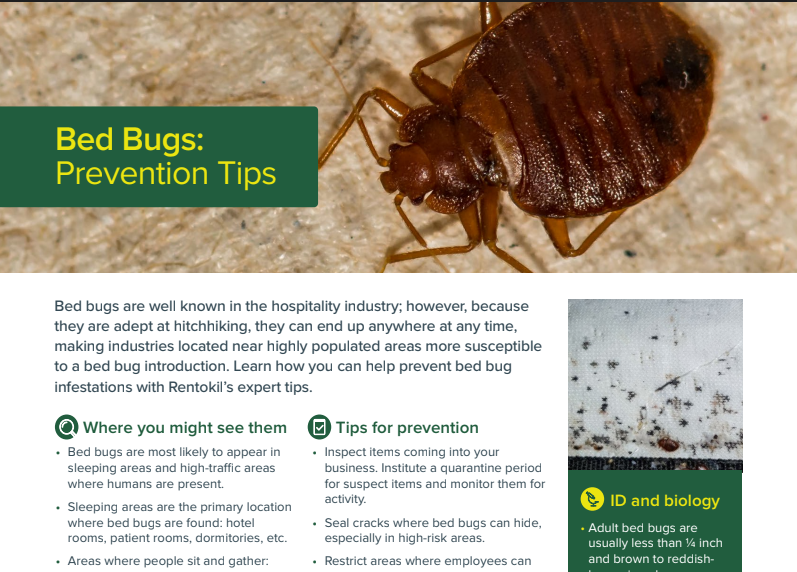
Trained inspectors typically begin with a visual inspection. They look for small, reddish-brown insects, shed skins, tiny eggs, or droppings that resemble ink stains. Spotting subtle signs helps catch infestations early.
In addition to looking for visible signs, inspectors often use specialized equipment. Flashlights, magnifying lenses, check out here and mirrors allow inspectors to check crevices and hidden corners. Traps and monitoring devices help detect and follow ongoing infestations.
Detection dogs are sometimes used to identify infestations quickly. Dogs help locate infestations that might be missed during visual inspections. Using canines improves efficiency and reduces the chances of missed infestations.
Getting My Bed Bug Services To Work
Proper preparation of the area is a key step in the inspection process. This may involve clearing clutter, removing items from floors, and separating bedding and laundry. Technicians need access to common bed bug hiding spots for thorough assessment.
Beds and couches are inspected in detail to uncover hidden insects - Bed Bug Services. Cushions and drawers are opened, and furniture is shifted to reveal possible infestation points. Hidden spaces such as behind outlets, frames, and wall trim are checked

The Greatest Guide To Bed Bug Services
Post-inspection monitoring helps confirm results. Inspectors may use traps or sensors to detect surviving pests. Clients may need to observe and note any additional signs. Ongoing monitoring and cooperation improve treatment outcomes.
Professional bed bug inspections are especially important in high-risk environments. Inspectors check adjacent units and shared spaces to prevent spread. Comprehensive inspections help identify all potential hiding places.
Clients receive a thorough plan for addressing detected infestations. Recommendations typically outline immediate action and long-term prevention strategies. Following professional advice increases the likelihood of complete eradication.
The Bed Bug Services Diaries
In summary, a professional bed bug inspection involves preparation, careful visual examination, the use of specialized tools, monitoring, documentation, and follow-up. These steps ensure accurate detection, early intervention, and effective management. Hiring professionals ensures thorough detection and a plan for eradication.